New Partners & Stepfamilies
The Stepparent’s Job Description
Why the stepparents who succeed start as warm adults rather than disciplinarians, and what a parenting plan can reasonably say about the role.
Key takeaway
Papernow’s research is unambiguous: stepparents succeed by building a warm, trusted-adult relationship first and taking on discipline much later, if ever, with any early authority explicitly delegated by the biological parent. Stepfamily development takes years, not months, and the biological parent’s job as gatekeeper and bridge is as important as anything the stepparent does. A parenting plan can lower the temperature by spelling out day-to-day care authority, ruling out unilateral major decisions, and settling the name question before it becomes a weapon.
Based on published expert research. This article has not been reviewed by an attorney and is not legal advice.
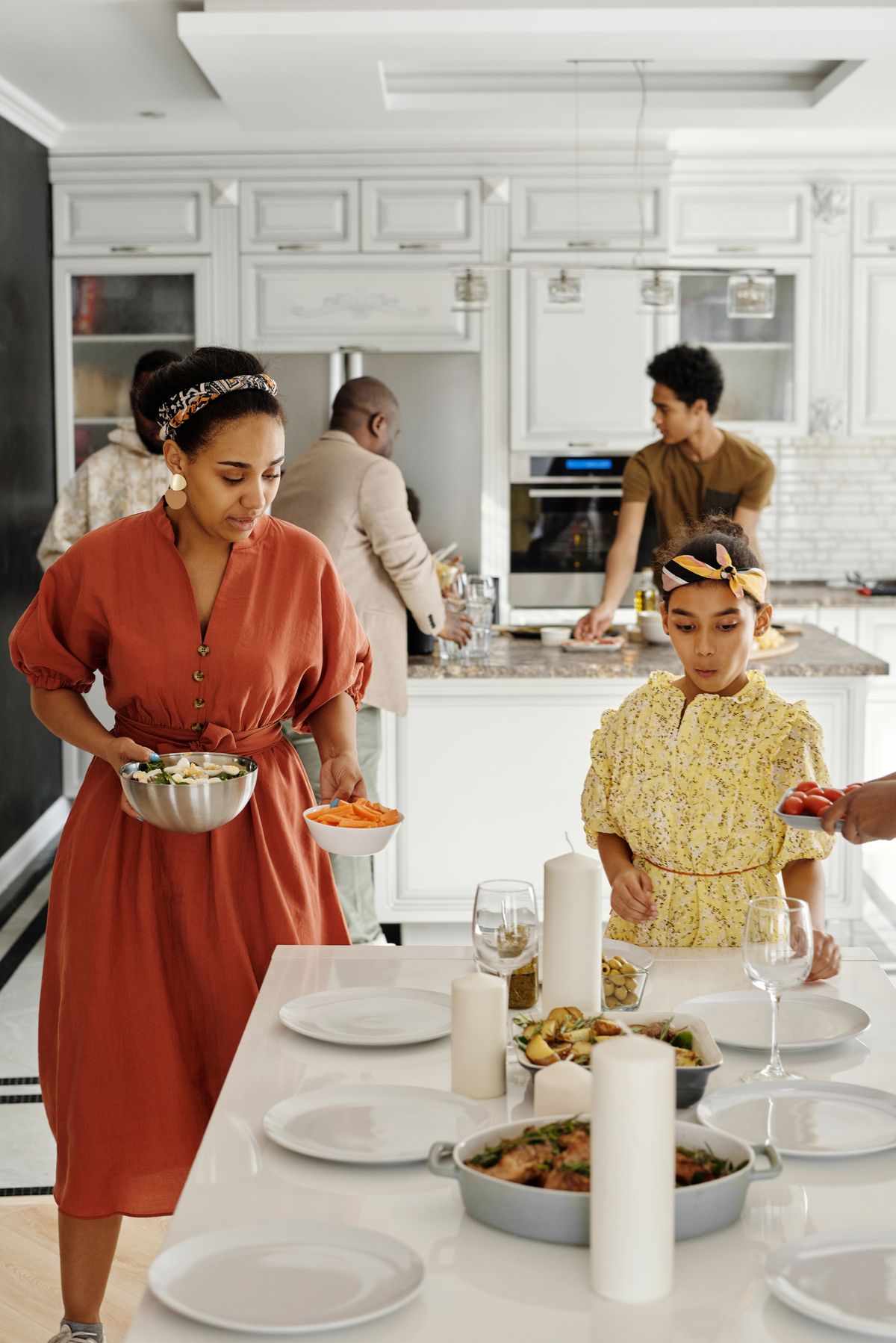
It usually happens at the dinner table, a few months in. The new stepfather tells his wife’s ten-year-old to put the phone away. The ten-year-old doesn’t look up: “You’re not my dad.” Mom freezes, caught between the two people she loves most in the room, and everyone quietly understands that something just went wrong, even if nobody can say exactly what.
Patricia Papernow can say exactly what. She has spent her career studying how stepfamilies actually form, and in Surviving and Thriving in Stepfamily Relationships she names the move that just failed: a stepparent reaching for authority before there is a relationship strong enough to carry it. Kids accept discipline from people they trust and feel loved by. A new stepparent, however kind, hasn’t earned that account yet, and trying to spend from it anyway is the single most reliable way to turn a new household into a battleground.
The job that works: warm adult first, authority much later
Papernow’s prescription is almost the reverse of what many new couples assume. The stepparent’s opening job description is connection, not correction: a warm, interested adult who shows up consistently, learns what the child cares about, and builds the relationship one low-stakes interaction at a time. Think trusted family friend, or a beloved aunt or uncle, someone with real standing in the child’s life who is not trying to be a third parent.
Discipline stays with the biological parent. When the stepparent needs day-to-day authority, because they’re driving carpool, or home alone with the kids, it works as delegated authority, the way a babysitter’s does: the parent says, clearly and in front of the children, “While I’m at work, Maria’s in charge, and I expect you to listen to her.” The authority flows from the parent’s relationship, not the stepparent’s position. Over years, if warmth accumulates, some stepparents graduate into genuine disciplinary roles. Some never do, and Papernow is clear that those families can be entirely healthy anyway.
Ron Deal’s The Smart Stepfamily makes the same case in practical, week-by-week terms, with a metaphor families tend to remember: stepfamilies are slow cookers, not blenders. Trying to purée everyone into instant family produces resistance; low heat over a long time produces something that actually holds together.
The insider/outsider problem nobody warns you about
Papernow identifies a structural dynamic that explains why blended-family life feels hard even when everyone is behaving well. The biological parent is a permanent insider, bound to the children by years of history, private jokes, and routines that predate the new relationship. The stepparent is a structural outsider, and the children often experience the new adult as competition for a parent they may have just been through a divorce with.
Neither position is comfortable. The stepparent feels excluded in their own home; the biological parent feels pulled in two directions at once. Papernow’s point is that this is architecture, not evidence that someone is failing or that the new marriage was a mistake. Naming it out loud, “you’ll be the insider with the kids, I’ll be the outsider for a while, and that’s normal”, takes an enormous amount of blame out of the room.
Constance Ahrons’s research in The Good Divorce adds the wider frame: when a parent repartners, the child’s family doesn’t get replaced, it gets bigger. Her work on what she called the binuclear family, one family system spread across two households, found that children do best when the adults across both homes treat new partners as additions to the child’s world rather than threats to it. A stepparent is not a replacement parent, and the fastest way to reassure the other biological parent is for everyone to say so and act like it.
The biological parent: gatekeeper and bridge
The stepparent gets the job title, but Papernow’s research keeps finding that the biological parent holds the keys. They are the gatekeeper, the one who decides how much authority to delegate and how fast, and the bridge, the only person with a strong relationship to both sides of the new divide.
That bridge work is concrete: backing the stepparent up on delegated, day-to-day matters so the children can’t split the adults; protecting one-on-one time with the kids so they don’t feel they lost their parent to the new marriage; and interpreting each side to the other, telling the stepparent “she’s not rejecting you, she’s grieving, ” and telling the child “he’s not trying to replace your dad.” When stepfamilies get stuck, it is often because the biological parent stepped off the bridge and left the stepparent and child to negotiate alone.
What a parenting plan can reasonably say
Stepparent conflict is one of the most common reasons co-parents end up back in mediation, and much of it is preventable with a few sentences agreed to in calmer times. A reasonable plan can say:
- Day-to-day care authority. During each parent’s time, that parent’s partner may handle routine care, meals, homework, transportation, bedtime, without the other home’s sign-off.
- No unilateral major decisions. Stepparents don’t make or attend-as-decision-maker calls on education, medical care, or religion. Major decisions stay between the legal parents, however the plan allocates them.
- Discipline boundaries. Discipline beyond ordinary household rules stays with the biological parent, and both homes can agree on shared limits, such as no physical discipline by any adult.
- The name question. What the child calls a stepparent is the child’s choice, and neither parent will coach the child toward “Mom”/“Dad”, or punish the child for a name that arises naturally. Handled early, this never becomes the loyalty test it so often turns into.
One clear paragraph in a parenting plan about the stepparent’s role can prevent years of drift toward exactly the fight at that dinner table.
Years, not months
Papernow’s research on stepfamily development describes a long arc, early stages thick with fantasy and confusion, a messy middle where the family restructures, and an easier later period where routines and real bonds finally hold. The consistent finding across her clinical work: this takes years. Not a bad first year followed by smooth sailing, years, with faster families moving through in a few and many taking considerably longer.
That timeline is not a verdict; it’s a release. If your blended household is eighteen months in and still awkward, you are not behind. The stepparent who is patiently being a good adult in the room, backed by a biological parent who is holding the bridge, is doing the job, the whole job, as the research describes it.
One line for the road: this article is information about how stepfamilies work, not legal advice about what your agreement should say.
What this means for your family
If there is a new partner in either home this week, the kindest move is to take the pressure off everyone: the stepparent does not need to be loved yet, and your child does not need to love them yet. Let the biological parent keep the discipline, let the stepparent invest in one small ritual a week your child actually enjoys, and let the relationship grow at your child’s pace. Slow is not failing. Slow is how this works.
The experts behind this article
References
- 1.Papernow, P. L. (2013). Surviving and Thriving in Stepfamily Relationships: What Works and What Doesn’t. Routledge.
- 2.Papernow, P. L. (2018). Clinical guidelines for working with stepfamilies: What family, couple, individual, and child therapists need to know. Family Process, 57(1).
- 3.Ahrons, C. (1994). The Good Divorce: Keeping Your Family Together When Your Marriage Comes Apart. HarperCollins.
- 4.Deal, R. L. (2014). The Smart Stepfamily: Seven Steps to a Healthy Family (rev. ed.). Bethany House.
More on new partners & stepfamilies

New Partners & Stepfamilies
Introducing a New Partner to Your Kids
A new relationship can feel like the first good news in years, and your children may hear it as another loss. Christina McGhee and stepfamily researcher Patricia Papernow offer a clear roadmap for when and how to make introductions.
New Partners & Stepfamilies
What Actually Makes Blended Families Work
Stepfamilies run on different architecture than first families, and the ones that thrive know it. Patricia Papernow’s research on insider/outsider dynamics and the stepparent’s role, plus Constance Ahrons’ expanded binuclear family, map the road.